
Health
Cbt for Teens: Practical Strategies to Build Resilience and Manage Anxiety

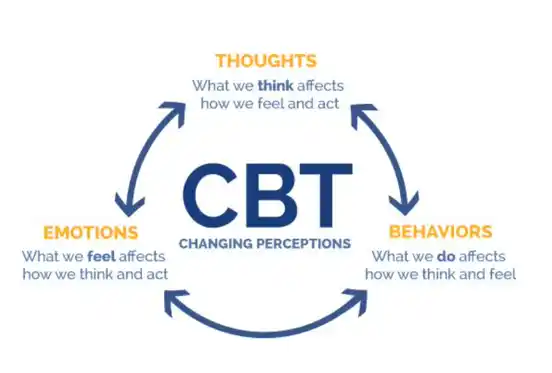
CBT for teens helps you change unhelpful thoughts and behaviors so you can feel calmer, act more confidently, and manage stress with practical skills. You’ll learn concrete tools—like tracking thoughts, testing beliefs, and planning small behavioral steps—that deliver measurable results for anxiety, low mood, and everyday struggles.
This post explains what CBT looks like for teenagers and shows how to put core techniques into practice with simple worksheets and activities designed for your life. Expect clear examples, quick exercises you can try, and guidance on when to get extra support.
Understanding CBT for Teens
CBT helps you change specific thoughts and actions that maintain stress, anxiety, or low mood. It focuses on practical skills you can practice between sessions to gain control over daily feelings and behaviors.
What Is Cognitive Behavioral Therapy?
Cognitive Behavioral Therapy (CBT) is a structured, time-limited form of talk therapy that links thoughts, feelings, and actions. You learn to identify automatic negative thoughts, test their accuracy, and replace them with more balanced thinking.
Therapists teach evidence-based tools like cognitive restructuring, behavioral experiments, and graded exposure. Sessions often include homework—thought records, activity scheduling, or exposure tasks—so skills transfer to real situations.
You actively track situations that trigger strong emotions and rate the intensity to measure progress. The approach is collaborative: you and your therapist set specific goals and monitor changes with measurable steps.
Common Challenges Faced by Teens
Teens commonly struggle with anxiety about school performance, social acceptance, and future plans. You may experience intrusive worry, avoidance (skipping class or social events), perfectionism, or rigid self-criticism.
Depression in adolescence often presents as irritability, withdrawal, or loss of interest rather than overt sadness. You might also face trauma-related symptoms, obsessive thoughts, or compulsive behaviors that interfere with daily functioning.
Peer pressure, family conflict, and sleep disruption amplify symptoms. CBT addresses these by targeting the behaviors and thinking patterns that keep problems active, rather than only focusing on mood labels.
Benefits of CBT for Adolescents
CBT gives you concrete, portable skills—like thought-challenging and stepwise exposure—that reduce symptom intensity and improve daily functioning. These tools help with anxiety, depression, OCD, and stress related to school or relationships.
You gain measurable progress through goal-setting and regular symptom tracking, which clarifies what works and what needs adjustment. The skills you learn also build resilience: improved problem-solving, better emotion regulation, and reduced avoidance.
Because CBT is structured, you often see improvement within weeks to months when you practice consistently. Parents or caregivers can support homework and behavioral changes, making gains more durable in the home and school environment.
Implementing CBT Techniques for Teens
You will learn practical steps to change unhelpful thoughts, practice targeted behavioral exercises, and bring parents or caregivers into skill-building and support. The guidance focuses on specific strategies you can use in sessions and at home.
CBT Strategies for Anxiety and Depression
Identify and track automatic thoughts you notice during worries or low moods. Use a simple thought record: situation → feeling (rate 0–100) → automatic thought → evidence for/evidence against → balanced thought. Do this for at least one situation per day to spot thinking patterns.
Practice behavioral activation when depression reduces your activity. Schedule small, measurable actions (e.g., 10-minute walk, five minutes of homework) and log completion. For anxiety, use graded exposure: list feared situations, rank them 0–10, and approach items from lowest to highest while using slow breathing.
Teach cognitive restructuring: challenge “always/never” statements and test predictions with brief experiments. Use role-play in sessions to rehearse new responses. Track progress with weekly ratings of mood and anxiety to adjust targets.
Building Emotional Regulation Skills
Start with short, concrete emotion labels: name the emotion, intensity, and body sensations. This makes emotions less vague and easier to manage. Keep an emotions journal with entries under 3–4 lines to retain clarity.
Teach grounding and breathing techniques for immediate regulation. Use 4-4-4 breathing (inhale 4, hold 4, exhale 4) or the 5-4-3-2-1 grounding exercise to reduce physiological arousal. Practice these for 3–5 minutes daily so they’re accessible under stress.
Develop problem-solving steps: define the problem, list two realistic solutions, choose one, try it, and review the result. Reinforce successful use of skills with specific praise and short rewards. Build a toolbox card with 6 go-to strategies—breathing, distraction, muscle relaxation, activity, self-talk, and reaching out—to use when emotions spike.
Involving Parents and Caregivers
Teach caregivers how to support practice without doing the work for the teen. Train them to prompt skill use (e.g., “Did you try the 4-4-4 breathing?”), help set activity schedules, and monitor progress with brief weekly check-ins.
Share simple coaching scripts so caregivers give balanced feedback: acknowledge effort, describe behavior observed, and suggest one improvement. Limit problem-solving to two short sessions per week to avoid over-involvement. Encourage caregivers to model emotional regulation and to use consistent, nonpunitive responses to setbacks.
Create a family plan that lists when practice happens, who will remind the teen, and how progress gets tracked. Use a shared chart or app with one goal, one daily task, and one weekly check—this keeps expectations clear and reduces conflict.

In the fast-moving world of digital business, performance is no longer just a technical metric—it’s a defining factor of success. Every second of delay, every inefficient process, and every disconnected system directly impacts revenue, user experience, and long-term growth. This is where novapg enters the picture, not merely as a tool or platform, but as a forward-thinking approach to optimizing digital performance and enabling scalable systems.
For startup founders, entrepreneurs, and tech professionals, novapg represents a shift away from fragmented optimization strategies toward a more unified, intelligent, and performance-driven ecosystem. It’s about building systems that are not only fast but also adaptable, resilient, and aligned with business goals.
Understanding Novapg in the Modern Tech Ecosystem
To understand novapg, it helps to look at the broader challenges businesses face today. Organizations rely on a growing stack of technologies—cloud services, APIs, front-end frameworks, and data platforms. While these tools offer immense capabilities, they often create complexity that slows down performance and decision-making.
Novapg addresses this challenge by focusing on holistic optimization. Instead of treating performance as an isolated concern, it integrates speed, efficiency, and scalability into every layer of a digital system. This means aligning infrastructure, application logic, and user experience into a cohesive framework.
For startups, this approach is particularly valuable. Early-stage companies often prioritize speed of development over system optimization, which can lead to performance bottlenecks later. Novapg encourages a more balanced approach, ensuring that growth does not come at the cost of efficiency.
The Core Philosophy Behind Novapg
At its core, novapg is built on a philosophy that performance should be intentional, not reactive. Many organizations address performance issues only after they become critical. Novapg flips this mindset by embedding optimization into the design and development process from the beginning.
One of its key principles is proactive performance engineering. This involves anticipating potential bottlenecks and addressing them before they impact users. It requires a deep understanding of system architecture and user behavior.
Another principle is scalable design thinking. Systems should be built with growth in mind, ensuring that they can handle increased demand without requiring constant restructuring. Novapg emphasizes modular architectures that can evolve over time.
Data-driven decision-making is also central to novapg. By leveraging real-time analytics, businesses can identify inefficiencies, measure impact, and continuously refine their systems.
Finally, novapg prioritizes user-centric performance. Speed is important, but it must translate into a better user experience. This means optimizing not just backend processes but also how users interact with digital products.
Why Startups and Entrepreneurs Are Embracing Novapg
In the startup world, resources are limited, and the margin for error is small. Performance issues can quickly lead to lost users and missed opportunities. This is why novapg is gaining traction among founders and early-stage teams.
One of the biggest advantages is efficiency. By streamlining systems and reducing unnecessary complexity, startups can operate more effectively with fewer resources. This allows teams to focus on innovation rather than constantly fixing technical issues.
Scalability is another key benefit. As startups grow, their systems must handle increased traffic and data. Novapg ensures that this growth is smooth and sustainable, avoiding the need for disruptive overhauls.
Additionally, novapg enhances competitiveness. In crowded markets, performance can be a key differentiator. Faster, more reliable systems create better user experiences, which in turn drive engagement and retention.
For entrepreneurs, adopting novapg is not just a technical decision—it’s a strategic one. It aligns technology with business objectives, creating a foundation for long-term success.
Practical Applications of Novapg
The real impact of novapg becomes clear when applied to real-world scenarios. Across industries, businesses are using this approach to improve performance and drive growth.
In e-commerce, novapg helps optimize page load times, streamline checkout processes, and handle high traffic volumes during peak periods. This leads to higher conversion rates and better customer satisfaction.
In SaaS platforms, it ensures that applications remain responsive even as user numbers grow. By optimizing backend processes and database interactions, businesses can deliver consistent performance.
In fintech, where speed and reliability are critical, novapg supports secure and efficient transactions. It enables systems to process large volumes of data without compromising performance.
Even in content-driven platforms, novapg plays a role in delivering seamless experiences. Faster loading times and optimized content delivery improve user engagement and reduce bounce rates.
Comparing Traditional Optimization with Novapg
To better understand its value, it’s helpful to compare novapg with traditional approaches to performance optimization:
| Aspect | Traditional Optimization | Novapg Approach |
| Performance Strategy | Reactive, issue-based | Proactive, design-driven |
| System Architecture | Often rigid and monolithic | Modular and scalable |
| Data Usage | Periodic analysis | Real-time insights |
| User Experience Focus | Secondary consideration | Central priority |
| Scalability | Requires frequent upgrades | Built for continuous growth |
This comparison highlights a key insight: novapg is not just about improving performance—it’s about redefining how performance is approached.
Challenges and Considerations
While the benefits are significant, implementing novapg requires careful planning and execution. One of the main challenges is the initial investment in time and resources. Building optimized systems from the ground up can be more complex than using quick, off-the-shelf solutions.
There is also a learning curve. Teams must develop new skills and adopt new methodologies to fully leverage novapg. This may involve training, hiring, or collaborating with experts.
Another consideration is integration. Existing systems may need to be restructured to align with novapg principles. This process can be gradual but requires a clear strategy.
Additionally, businesses must avoid over-optimization. While performance is important, it should not come at the expense of innovation or flexibility. The goal is to find the right balance.
The Future of Novapg in a Data-Driven World
As technology continues to evolve, the importance of performance will only increase. With the rise of artificial intelligence, edge computing, and real-time applications, systems must be faster and more efficient than ever before.
Novapg is well-positioned to play a central role in this future. Its emphasis on proactive optimization and scalable design aligns with the needs of modern digital ecosystems.
In the coming years, we can expect novapg to integrate more deeply with AI-driven analytics. This will enable even more precise optimization, allowing systems to adapt dynamically to changing conditions.
For tech professionals, this presents an opportunity to stay ahead of the curve. Understanding and implementing novapg principles will be a valuable skill in an increasingly competitive landscape.
How to Start Implementing Novapg
For organizations interested in adopting novapg, the journey begins with assessment. Evaluate your current systems and identify areas where performance can be improved. Look for bottlenecks, inefficiencies, and opportunities for integration.
Next, focus on architecture. Transition toward modular, scalable designs that can evolve over time. This may involve breaking down monolithic systems into smaller, more manageable components.
Data is another critical area. Implement tools that provide real-time insights and enable continuous optimization. This will allow you to make informed decisions and measure the impact of your efforts.
Collaboration is also key. Ensure that teams across the organization are aligned and working toward the same performance goals. This includes developers, designers, and business stakeholders.
Finally, adopt a mindset of continuous improvement. Novapg is not a one-time implementation—it’s an ongoing process of refinement and innovation.
Conclusion: Why Novapg Is a Game-Changer for Digital Businesses
In a world where digital performance directly impacts success, businesses cannot afford to take a reactive approach. The traditional model of fixing issues after they arise is no longer sufficient. What’s needed is a proactive, integrated, and scalable strategy—and that’s exactly what novapg provides.
By embedding performance into every aspect of a system, novapg enables businesses to operate more efficiently, scale more effectively, and deliver better user experiences. It aligns technology with business goals, creating a foundation for sustainable growth.
For startup founders, entrepreneurs, and tech professionals, the message is clear: performance is not just a technical detail—it’s a strategic advantage. And novapg is leading the way in redefining what that advantage looks like.
The modern startup landscape no longer rewards companies that simply move fast—it rewards companies that move intelligently. In a marketplace where automation, AI-driven decision-making, and operational efficiency can determine whether a young company survives or stalls, founders are increasingly searching for tools that offer speed without sacrificing precision. This is where the Auztron bot is capturing attention. More than just a productivity tool, the Auztron bot represents a new category of intelligent automation designed not to replace human teams, but to empower them.
From early-stage startups fighting to stretch limited resources to scaling businesses navigating complex workflows, the Auztron bot offers a practical solution to one of the biggest challenges today’s founders face: the widening gap between what companies must deliver and what traditional teams can realistically execute. Innovation, especially the kind driven by data and digital ecosystems, moves too quickly for manual processes. The Auztron bot enters that gap—but instead of generic automation, it brings contextual intelligence, adaptability, and a surprising level of human-like responsiveness.
Why the Auztron Bot Matters in a High-Velocity World
One of the biggest misconceptions in modern tech is assuming automation alone is enough to keep a business competitive. But founders know the reality—automation without intelligence becomes another bottleneck disguised as progress. What makes the Auztron bot different is how it blends automation with strategic insight.
We’re entering an era in which digital operations can produce thousands of micro-tasks per day: customer queries, data entries, repetitive workflows, lead processing, content distribution, system monitoring, and more. Humans can manage some of this volume; traditional bots can handle a little more; but the Auztron bot is built to scale with the pace of digital acceleration.
Its value lies in its adaptability. It learns patterns, integrates with complex systems, and delivers consistent output even as operations evolve. For entrepreneurs balancing product development, marketing, fundraising, and user experience—often simultaneously—the Auztron bot becomes an operational partner that never slows down, never gets overwhelmed, and never loses context.
This makes it particularly relevant in remote-first teams, AI-enhanced startups, e-commerce businesses, and digital-service companies where responsiveness and precision directly influence revenue.
The Mindset Behind the Auztron Bot
Every transformative technology begins with a philosophy. For the Auztron bot, that philosophy is simple: automation should feel like collaboration, not replacement.
Instead of functioning as a rigid rule-based bot, the Auztron bot acts like an intelligent teammate—one that can filter noise, highlight important actions, and carry out tasks with an understanding of context. Founders who adopt the Auztron bot often describe it as a “second brain” for operations: a presence that anticipates needs and executes tasks before bottlenecks form.
This mindset creates a significant shift:
- Productivity becomes proactive.
- Decision-making becomes data-backed.
- Workflows become invisible because they run themselves.
The psychology of running a startup changes, too. When repetitive tasks are handled automatically and intelligently, founders can redirect their mental bandwidth toward creative problem-solving, strategic planning, and higher-order innovation. The Auztron bot doesn’t just support operations— it elevates the way leaders think.
Where the Auztron Bot Fits in Real-World Startup Operations
To understand the practical impact of the Auztron bot, imagine the daily realities of a digital business. Leads flow in from multiple channels. Customers ask questions around the clock. Data moves between tools and systems like an endless digital river. Tasks multiply faster than teams can categorize them.
Here’s a realistic example: a SaaS startup receives nearly 800 micro-interactions a day—support tickets, onboarding requests, CRM updates, billing pings, product feedback, and analytics triggers. Even with a skilled team, this volume strains focus and increases cognitive fatigue.
With the Auztron bot in place, the system automatically sorts queries, handles scalable responses, updates systems in real time, executes routine workflows, flags anomalies, and brings only meaningful alerts to human attention. Nothing gets lost. Nothing falls behind. Everything feels smoother.
The result is a measurable reduction in human error and operational delays, while increasing responsiveness and delivering consistency across every process the bot touches.
Auztron Bot in Digital Transformation
Digital transformation often sounds like a buzzword, but founders know it is a lived reality—a continuous cycle of adopting smarter tools to keep pace with the market. The Auztron bot aligns directly with this shift, bridging the gap between old systems and new operating models.
It integrates with databases, CRMs, cloud systems, project managers, communication tools, and analytics dashboards. That means it doesn’t require teams to reinvent their processes to adopt it—rather, it adapts to the processes already in place.
As companies introduce more AI into their workflows, the Auztron bot becomes a central orchestrator. Instead of managing ten platforms manually, teams manage one intelligent layer that coordinates everything behind the scenes.
This is why digital-first companies often adopt the Auztron bot early: it accelerates transformation without overwhelming the structure beneath it.
Table: Traditional Automation vs. Auztron Bot Intelligence
| Traditional Automation | Auztron Bot |
| Rule-based actions only | Adaptive, context-aware execution |
| Breaks when workflows change | Learns and evolves with new processes |
| Limited to pre-defined tasks | Capable of multi-layered, dynamic tasks |
| Requires heavy monitoring | Operates autonomously with intelligent alerts |
| Reduces workload slightly | Reduces workload significantly |
| Feels robotic | Feels collaborative and intuitive |
This contrast illustrates why the Auztron bot stands out in a crowded automation ecosystem.
The Auztron Bot as a Competitive Advantage
Competitive advantage today is less about capital and more about operational intelligence. Every second a startup saves, every workflow it accelerates, every error it avoids becomes part of its strategic edge. The Auztron bot gives founders an advantage in three core areas:
Speed:
It processes micro-tasks exponentially faster than human teams.
Consistency:
It removes the unpredictability that slows operations.
Scalability:
It grows with the company effortlessly, handling more tasks without demanding more resources.
In industries like e-commerce, fintech, SaaS, digital services, and logistics—where timing often determines success—the Auztron bot becomes a silent engine behind operational excellence.
The Human Element: Why the Auztron Bot Isn’t Replacing Teams
One of the most compelling aspects of the Auztron bot is that it enhances teams rather than replacing them. This matters because culture is one of the most fragile assets in any startup. When employees fear automation, productivity suffers. When they view automation as a partner, performance rises.
With the Auztron bot handling repetitive actions, teams become more strategic. Developers spend more time building features instead of managing backend tasks. Customer success teams focus on meaningful conversations instead of routine updates. Marketing teams move faster because data flows effortlessly. Founders focus on growth instead of operations.
This shift from reaction to strategy strengthens morale and sharpens output. It transforms workflows into ecosystems where human creativity and machine efficiency coexist.
Security, Reliability, and Trust
Automation only becomes powerful when it becomes trustworthy. The Auztron bot places heavy emphasis on security encryption, data integrity, and reliability protocols. In a world where digital threats are rising, this is not optional—it is foundational.
Companies adopting the Auztron bot often report increased confidence in their data flow and faster compliance readiness. Reliability in automation builds trust, and trust builds scalability.
Auztron Bot in the Future of Work
The future of work is hybrid—part human, part intelligent automation. The most successful companies of the next decade will be those that leverage this hybrid model effectively.
The Auztron bot sits at the center of this transition. As AI models improve and automation becomes more intuitive, the bot will likely evolve into an even more powerful orchestration layer—connecting tools, decisions, insights, and workflows into one fluid network.
Founders who adopt it early don’t just get an efficiency tool—they future-proof their company against the rapid digital shifts ahead.
Conclusion: Why the Auztron Bot Is Becoming a Foundational Startup Asset
The Auztron bot represents more than automation—it represents a new category of operational intelligence. It empowers teams, enhances workflows, reduces friction, and turns complexity into clarity. In a world where startups are expected to innovate faster, scale smarter, and operate leaner, the Auztron bot becomes a quiet but transformative advantage.
It doesn’t just help companies work better— it helps them think better. And that shift, subtle yet powerful, is exactly what defines the next generation of digital success.
For founders, tech professionals, and digital innovators, the Auztron bot is not just a tool to adopt—it is a mindset to embrace. Those who integrate it early will not only keep pace with the future but actively shape it.
In the rapidly evolving world of technology, new concepts often emerge that challenge conventional thinking and inspire fresh approaches to innovation. One term that has recently begun attracting attention in digital circles is awius. While still developing as a concept, awius reflects a broader movement toward smarter digital ecosystems, interconnected technologies, and adaptive systems designed to support modern businesses.
For startup founders, entrepreneurs, and technology professionals, understanding ideas like awius can provide valuable insight into how digital systems are evolving. The modern technology landscape is no longer defined solely by isolated platforms or standalone applications. Instead, it revolves around networks of connected tools, intelligent automation, and collaborative environments that continuously adapt to user needs.
This article explores the concept of awius, examining how it relates to digital transformation, innovation strategies, and the future of technology-driven organizations.
Understanding the Concept of Awius
At its core, awius represents a conceptual framework for building smarter and more adaptive digital systems. Rather than focusing on a single technology or product, awius emphasizes the integration of multiple technologies into cohesive ecosystems.
In practical terms, this means designing digital environments where platforms, tools, and services work together seamlessly. Data flows efficiently between systems, automation enhances productivity, and users benefit from a more intuitive and connected experience.
For entrepreneurs and tech professionals, the significance of awius lies in its ability to bridge the gap between technological potential and real-world usability. Instead of building isolated solutions, companies can create interconnected systems that evolve alongside their users.
This approach reflects the broader trend toward digital ecosystems, where businesses operate not as standalone entities but as part of larger networks of technology and collaboration.
Why Awius Matters in the Modern Digital Economy
The global economy has become deeply dependent on digital infrastructure. Businesses rely on cloud platforms, data analytics, artificial intelligence, and collaborative software to remain competitive.
However, simply adopting new technologies is not enough. Many organizations struggle with fragmented systems that do not communicate effectively with one another. These inefficiencies can slow innovation and reduce productivity.
The philosophy behind awius addresses this challenge by promoting integrated digital environments. When systems are designed to communicate and adapt, businesses can operate more efficiently and respond faster to market changes.
For startups especially, this approach can be transformative. Young companies often have the flexibility to build their technology infrastructure from the ground up. By adopting awius-inspired strategies, they can create scalable systems that grow alongside their businesses.
The Core Principles Behind Awius
Although awius continues to evolve as a concept, several foundational principles define its approach to digital innovation.
One key principle is connectivity. Modern technologies must work together rather than operate independently. This connectivity allows organizations to share data, automate processes, and streamline operations.
Another principle is adaptability. Technology systems must remain flexible enough to accommodate rapid changes in market demands, customer behavior, and technological capabilities.
A third important element is user-centric design. Digital tools should simplify complex processes rather than add unnecessary layers of complexity. The awius framework encourages developers and entrepreneurs to prioritize usability and accessibility.
Together, these principles create a digital environment where innovation becomes both sustainable and scalable.
Awius and the Evolution of Digital Ecosystems
The rise of interconnected platforms has reshaped how companies operate. Businesses now rely on networks of services that integrate everything from communication tools to financial systems.
Within this environment, awius represents a natural progression toward smarter digital ecosystems. Instead of relying on rigid infrastructures, companies build adaptable systems capable of integrating new technologies as they emerge.
For example, many organizations now combine cloud computing, artificial intelligence, and automation tools within unified digital platforms. These systems enable teams to collaborate more effectively and make data-driven decisions in real time.
The ability to integrate technologies seamlessly is becoming one of the most valuable capabilities in the modern business landscape.
Practical Applications of Awius in Technology
While awius may sound abstract, its principles are already shaping the way digital products and services are developed. Technology companies are increasingly designing platforms that prioritize integration, automation, and user collaboration.
These ideas can be applied across multiple industries, including finance, healthcare, education, and e-commerce. Each sector benefits from improved connectivity between systems and more efficient data management.
The following table illustrates how awius-inspired strategies influence various areas of digital innovation.
| Technology Area | Traditional Approach | Awius-Oriented Approach |
| Data Management | Isolated databases | Integrated data ecosystems |
| Software Development | Standalone applications | Interconnected platforms |
| Business Operations | Manual workflows | Automated and adaptive processes |
| Customer Experience | Fragmented services | Seamless digital interactions |
| Innovation Strategy | Reactive development | Continuous system evolution |
This shift toward integrated ecosystems allows companies to deliver more consistent and efficient services.
The Entrepreneurial Advantage of Awius
For startup founders, adopting the ideas behind awius can create a significant competitive advantage. Early-stage companies often operate in highly dynamic environments where flexibility and speed are essential.
By designing systems that integrate easily with new tools and technologies, startups can remain agile as they grow. This adaptability allows them to respond quickly to customer feedback and market trends.
Another advantage is improved collaboration. When digital systems communicate effectively, teams can share insights and coordinate efforts more efficiently. This leads to faster decision-making and stronger innovation pipelines.
Entrepreneurs who understand the importance of interconnected systems are better positioned to build scalable businesses capable of competing in global markets.
Challenges in Implementing Awius Principles
Despite its potential benefits, implementing awius-inspired systems can present several challenges. Integration often requires careful planning and technical expertise, particularly when organizations rely on legacy infrastructure.
Security is another important consideration. As systems become more interconnected, protecting sensitive data becomes increasingly complex. Businesses must implement strong cybersecurity measures to safeguard their digital ecosystems.
Additionally, organizations may need to adjust their internal processes and culture. Employees accustomed to traditional workflows may require training to adapt to new tools and collaborative environments.
However, these challenges are manageable with the right strategy and leadership. Companies that invest in digital transformation often discover that the long-term benefits far outweigh the initial complexity.
Awius and the Future of Smart Technology
Looking ahead, the principles associated with awius may become central to the next generation of digital innovation. Technologies such as artificial intelligence, machine learning, and the Internet of Things are already expanding the possibilities for interconnected systems.
As these technologies mature, businesses will increasingly rely on integrated digital infrastructures capable of processing vast amounts of data in real time. Systems will not only communicate with one another but also adapt automatically based on changing conditions.
In this environment, awius represents more than a technical framework. It symbolizes a new philosophy of innovation—one that prioritizes collaboration between technologies, organizations, and people.
For technology professionals, this shift highlights the importance of interdisciplinary thinking. Successful innovation will require expertise not only in engineering but also in design, strategy, and user experience.
Lessons for Tech Professionals and Digital Leaders
Understanding the concept of awius offers valuable insights for professionals working in the technology sector. The future of innovation will likely depend on how effectively individuals and organizations can integrate diverse technologies into cohesive systems.
Developers can apply awius principles by designing software that supports interoperability and open integration. Entrepreneurs can build platforms that encourage collaboration among users and partners.
Meanwhile, digital leaders must cultivate cultures that embrace experimentation and continuous improvement. Innovation thrives in environments where teams are empowered to explore new ideas and learn from failure.
By adopting these principles, companies can position themselves at the forefront of the evolving digital landscape.
Conclusion
The digital world is moving rapidly toward greater connectivity, automation, and collaboration. In this environment, concepts like awius highlight the importance of building integrated systems that adapt to changing technological and business realities.
For startup founders, entrepreneurs, and technology professionals, the lessons are clear. Innovation today is not just about creating new tools—it is about designing ecosystems where technologies work together seamlessly to solve complex problems.
By embracing the principles of awius—connectivity, adaptability, and user-focused design—organizations can develop smarter digital infrastructures capable of supporting long-term growth.
As industries continue evolving, those who understand and apply these ideas will be better equipped to navigate the challenges and opportunities of the modern technology era.
-

 Travel2 months ago
Enntal: Scenic Beauty, History, and Outdoor Adventures
-

 Blog2 months ago
What Is Kovových? A Complete Guide to Kovových Materials
-

 Fashion2 months ago
Fashion’s Never Finished GIF Social Experiment: Meaning, Message, and Impact
-

 Blog2 months ago
Shani Levni Explained: Name Origin, Symbolism, and Usage
-

 Law2 months ago
Stacey Huels Lawsuit: Key Allegations, Timeline, and Updates
-
 Blog2 months ago
NovaPG Meaning: What It Is, How It Works, and Why It Matters
-

 Blog2 months ago
Recyclatanteil Explained: Meaning, Importance, and Real-World Examples
-

 Blog2 months ago
Jack Şoparov Explained: Meaning, Background, and Why It’s Trending